
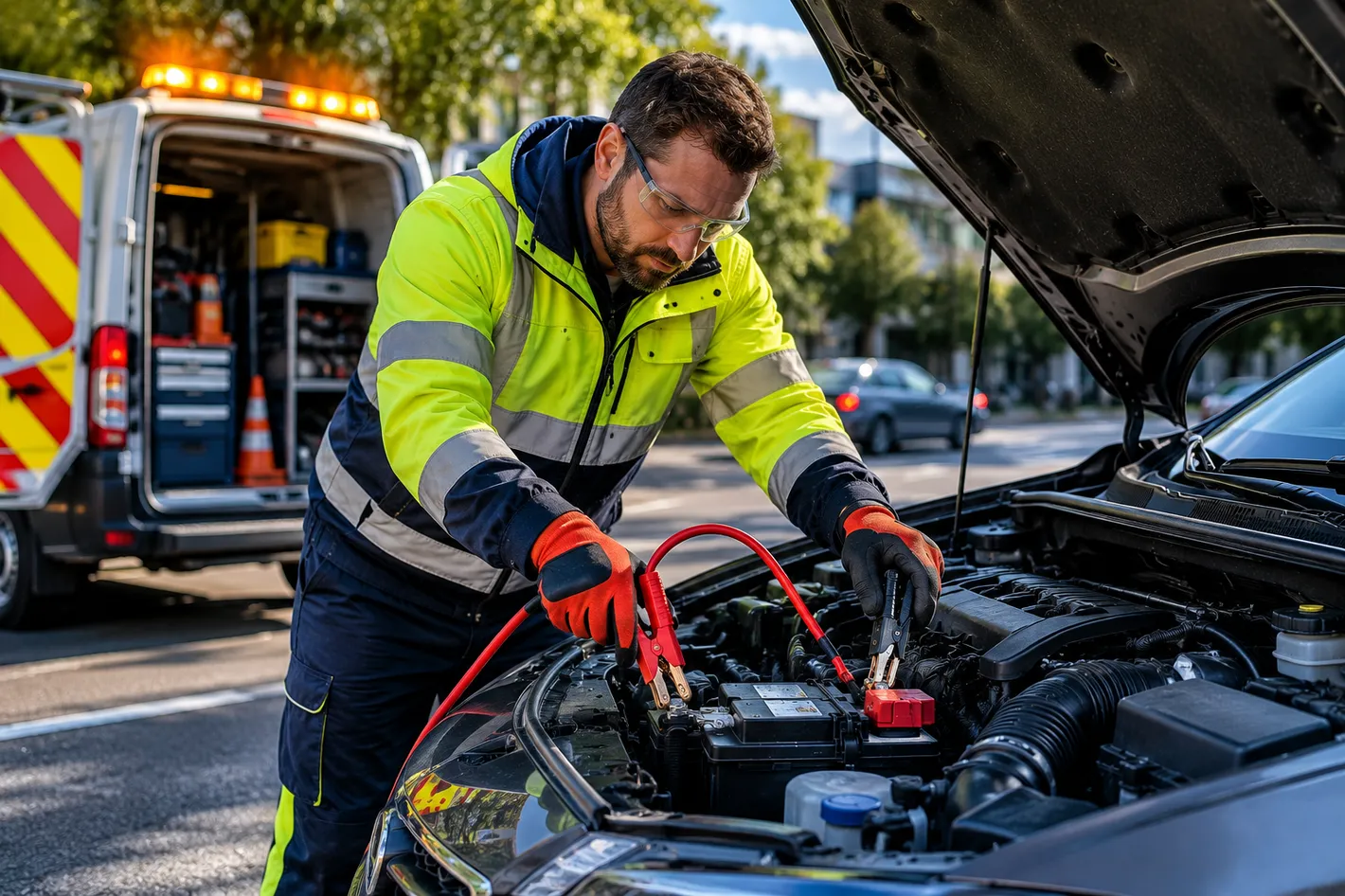
A dead battery can happen when you least expect it, whether you are leaving work, heading to the airport, or preparing for a road trip. Knowing how to perform a Jump Start correctly can help you get back on the road quickly and safely. However, many drivers make simple mistakes during the process that can damage their vehicle, battery, or electrical system.
In this article, you will learn the most common mistakes people make when attempting a Jump Start, why these errors can be dangerous, and how to avoid them. Whether you rely on a friend, a roadside jump start provider, or a professional 24/7 jump start service, understanding the correct procedure can save time, money, and frustration.
Not Checking the Battery Condition Before a Jump Start
One of the biggest mistakes drivers make is assuming that every dead battery simply needs a quick boost. In reality, batteries can fail for several reasons, including old age, internal damage, corrosion, or extreme weather conditions. If a battery is cracked, leaking, or visibly damaged, attempting a Car Battery Jump Start may create additional safety risks. A visual inspection should always be performed before connecting jumper cables.
Drivers should also understand that a completely failed battery may not respond to a jump start at all. In many cases, professional technicians providing dead car battery help can quickly determine whether the battery needs replacement instead of a temporary boost. This assessment helps prevent unnecessary strain on the vehicle’s electrical system and ensures a safer solution.
Using the Wrong Jumper Cable Connection Sequence
Incorrect cable placement is one of the most common causes of vehicle damage during a jump start. Connecting the cables in the wrong order can lead to sparks, electrical shorts, and even damage to sensitive vehicle electronics. Many people rush through the process without reviewing the proper connection procedure, increasing the risk of costly repairs.
The correct approach involves connecting the positive terminals first, followed by the negative connections according to the vehicle manufacturer’s recommendations. If you are uncertain about the process, Contacting a mobile jump start service or Emergency Jump Start provider is often the safest option. Professional technicians follow strict safety procedures and use specialized equipment to reduce risks.
Ignoring Safety Precautions Around the Vehicle
Safety is often overlooked when drivers are stranded and eager to get moving again. Performing a jump start on a busy roadside, parking lot, or highway shoulder can expose drivers to passing traffic and other hazards. Many accidents occur because people focus on the battery and fail to secure the surrounding area.
Before attempting any Roadside Jump Start, ensure the vehicle is parked safely, hazard lights are activated, and both vehicles are in park or neutral with the engines turned off. Professional quick jump start service providers are trained to work safely in challenging roadside environments, making them a valuable resource when conditions are less than ideal.
Attempting a Jump Start with Incompatible Vehicles
Modern vehicles contain sophisticated electrical systems that may not always be compatible with older models. Using a vehicle with a significantly different voltage system can create electrical issues and potentially damage important components. Unfortunately, many drivers are unaware of these compatibility concerns.
Before performing a jump start, verify that both vehicles use the same battery voltage and follow the manufacturer’s recommendations. When in doubt, a professional Auto Battery Boost service can provide the correct equipment for the situation. This is particularly important for luxury vehicles, hybrid models, and vehicles with advanced onboard electronics.
Letting the Vehicles Run for Too Short a Time
Many drivers disconnect the jumper cables immediately after the disabled vehicle starts. While the engine may be running, the battery often requires additional charging time to recover enough power for future starts. Disconnecting too soon can result in another breakdown just minutes later.
After a successful jump start, the vehicle should generally remain running for an adequate period to allow the alternator to recharge the battery. If the battery repeatedly loses charge, seeking assistance from an affordable jump start service can help identify whether a deeper electrical issue exists. A professional diagnosis may reveal problems with the alternator, battery, or charging system.
Overlooking Corrosion and Dirty Battery Terminals
Battery corrosion is a common cause of starting problems, yet many people ignore it during a jump start. Corroded terminals can reduce electrical conductivity, making it difficult for power to flow effectively between the batteries. Even a properly performed jump start may fail if corrosion is severe.
Cleaning battery terminals and ensuring secure cable connections can significantly improve results. If corrosion appears excessive or difficult to remove, a jump start car near me search can quickly connect drivers with experienced technicians who can inspect and service the battery safely. Proper maintenance often prevents future starting issues altogether.
Trying Multiple Failed Jump Start Attempts
Repeatedly attempting a jump start without identifying the underlying problem can create additional damage. If several attempts fail, there may be an issue beyond a weak battery, such as a faulty starter motor, alternator failure, or damaged wiring. Continuing to force the process may worsen the situation.
Professional 24/7 Jump Start Service providers are equipped to diagnose these problems on-site. Instead of repeatedly draining the donor vehicle’s battery or risking electrical damage, seeking expert assistance can save time and reduce repair costs. This approach is particularly valuable in busy cities and high-traffic areas where quick solutions are essential.
Relying Solely on DIY Solutions During Emergencies
Many drivers assume they can handle every battery issue themselves, but emergency situations often require professional support. Severe weather, nighttime breakdowns, unfamiliar locations, and heavy traffic can make DIY jump starts unsafe or impractical. In these situations, professional assistance offers convenience and peace of mind.
A trusted mobile jump start service can provide rapid response, proper equipment, and experienced technicians wherever assistance is needed. Whether you are stranded in downtown Toronto, a suburban parking lot, or along a highway, professional support ensures the problem is addressed efficiently while minimizing risks.
Conclusion
Performing a Jump Start may seem straightforward, but simple mistakes can lead to vehicle damage, safety hazards, and unnecessary expenses. Failing to inspect the battery, connecting cables incorrectly, ignoring safety precautions, and repeatedly attempting unsuccessful boosts are among the most common errors drivers make. Understanding these risks can help you handle battery problems more effectively.
When a battery fails unexpectedly, professional services often provide the safest and most reliable solution. Whether you need an emergency jump start, roadside jump start, or dead car battery help, choosing experienced technicians can get you back on the road quickly. By avoiding these common mistakes, you can protect your vehicle, improve safety, and reduce the chances of future breakdowns.
FAQs
1. How do I know if my car needs a jump start?
If your engine will not crank, the lights appear dim, or you hear clicking sounds when turning the key, your battery may need a jump start.
2. Can a jump start damage my car?
A properly performed jump start is generally safe. However, incorrect cable connections or repeated failed attempts can damage electrical components.
3. How long should I let my car run after a jump start?
Most vehicles should run for at least 20 to 30 minutes after a successful jump start to allow the battery to recharge.
4. When should I call a professional jump start service?
If the battery is damaged, multiple jump start attempts fail, or you are stranded in an unsafe location, professional assistance is recommended.
5. Is a jump start a permanent fix for a dead battery?
No. A jump start is usually a temporary solution. If the battery continues to lose charge, it may need replacement or further inspection.